
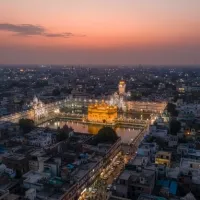
If you've only heard about Amritsar's brutal summer heat, winter here comes as a pleasant surprise — from roughly November through February, daytime temperatures sit in a genuinely comfortable range, and it becomes, by a wide margin, the most pleasant season to actually walk around the old city rather than ducking between air-conditioned stops.
What the Weather Actually Does
Mornings can be quite cold and often foggy, particularly in December and January — a light jacket or shawl in the early hours is not optional if you're heading out for a sunrise Golden Temple visit. By late morning, temperatures climb to a comfortable range for sightseeing, and evenings cool down again. It's a bigger daily temperature swing than many visitors expect, which is the main thing to pack around.
What Changes About the City Itself
Winter overlaps with two of Amritsar's busiest seasons: wedding season (roughly November through January) and the tail end of the festive calendar around Diwali in October/November. This means a livelier city — more events, more activity in the markets — but also higher hotel demand and prices during the peak weeks. It's worth deciding whether you want the energy of peak season or the relative calm of February, which is still comfortably cool without the wedding-season crowds.
What to Actually Pack
- Layers, not just one heavy jacket. Cold mornings, mild afternoons — layers let you adjust through the day rather than overheating by noon.
- A scarf or shawl, useful both for warmth and as a practical head covering for Golden Temple visits, where covering your head is mandatory regardless of season.
- Comfortable, warm-enough walking shoes. Winter is the best season for walking tours of the old city — don't waste it on uncomfortable footwear.
- A light face covering or scarf for foggy mornings, if you're sensitive to cold air, particularly for early darshan visits.
Why Winter Is Genuinely the Best Sightseeing Season
Amritsar's major attractions — the Golden Temple, Jallianwala Bagh, the Wagah Border ceremony, the food lanes of the old city — are all outdoor or semi-outdoor experiences that are simply more enjoyable without summer heat working against you. The Wagah Border ceremony in particular, held in the evening, is far more comfortable to sit through in winter than during the summer months when the wait itself can be genuinely draining.
Where to Stay
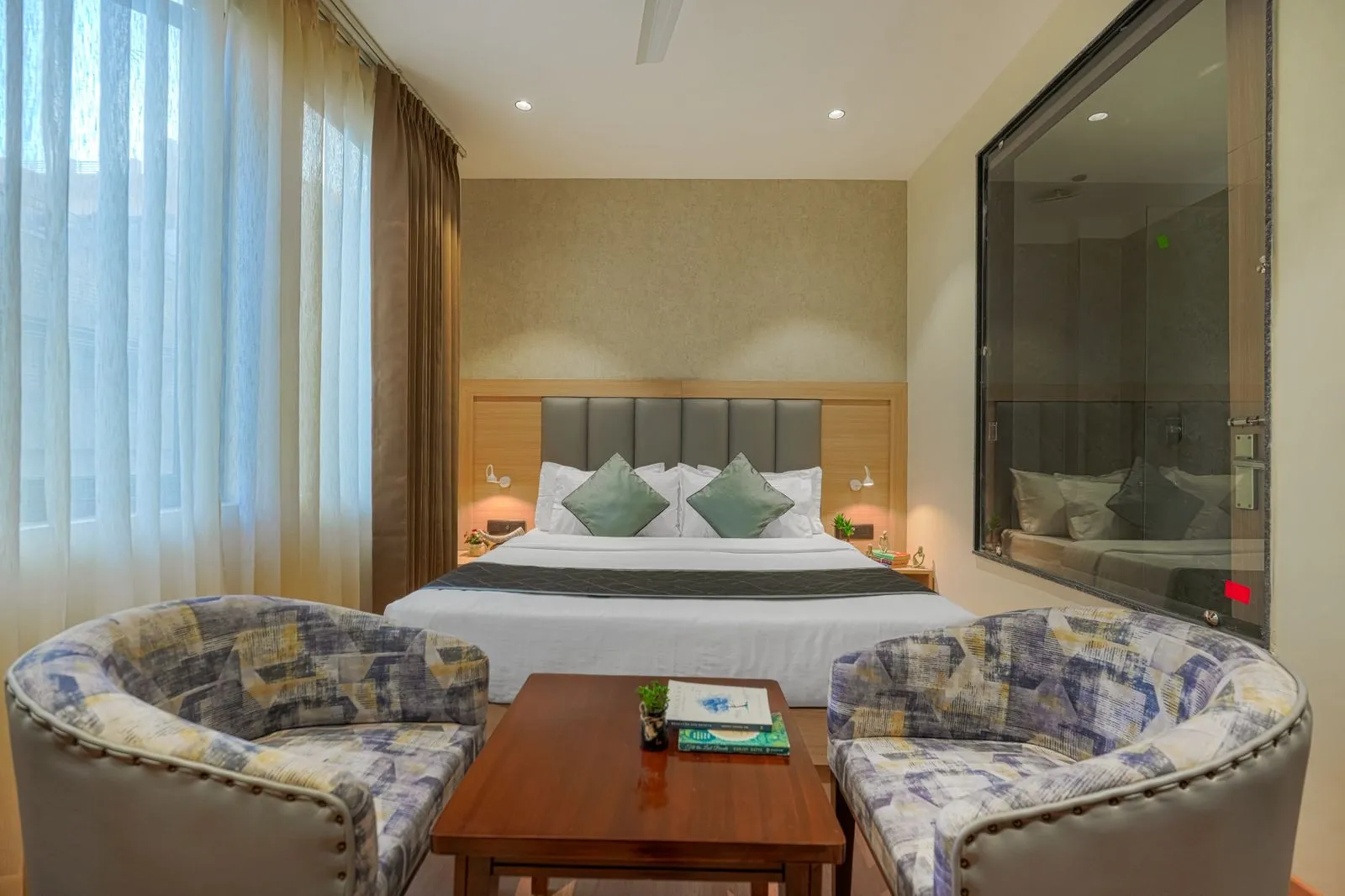
Both Luxe Stayz Signature on Ranjit Avenue and Luxe Stayz Saffron near the Golden Temple work well for a winter trip — the choice comes down to whether you want a modern commercial-district base or to be walking distance from the old city's core sights and food lanes.
Frequently Asked Questions
What is the best month to visit Amritsar?
Broadly, November through February offers the most comfortable weather for sightseeing. February specifically balances good weather with lighter crowds compared to the peak wedding-season months of November-January.
Does it get cold enough in Amritsar winters to need heavy winter clothing?
Mornings can be genuinely cold and foggy, especially December-January, but it's not extreme cold-weather-gear territory. Layers and a warm scarf or shawl are generally sufficient.
Is winter a crowded time to visit Amritsar?
November through January overlaps with wedding season and festive travel, so it's busier and hotel prices are higher. February offers similarly good weather with comparatively lighter crowds.
Is the Wagah Border ceremony better in winter?
Generally yes — the evening ceremony involves standing or sitting for a while in the open, which is far more comfortable in winter's mild evenings than in summer heat.