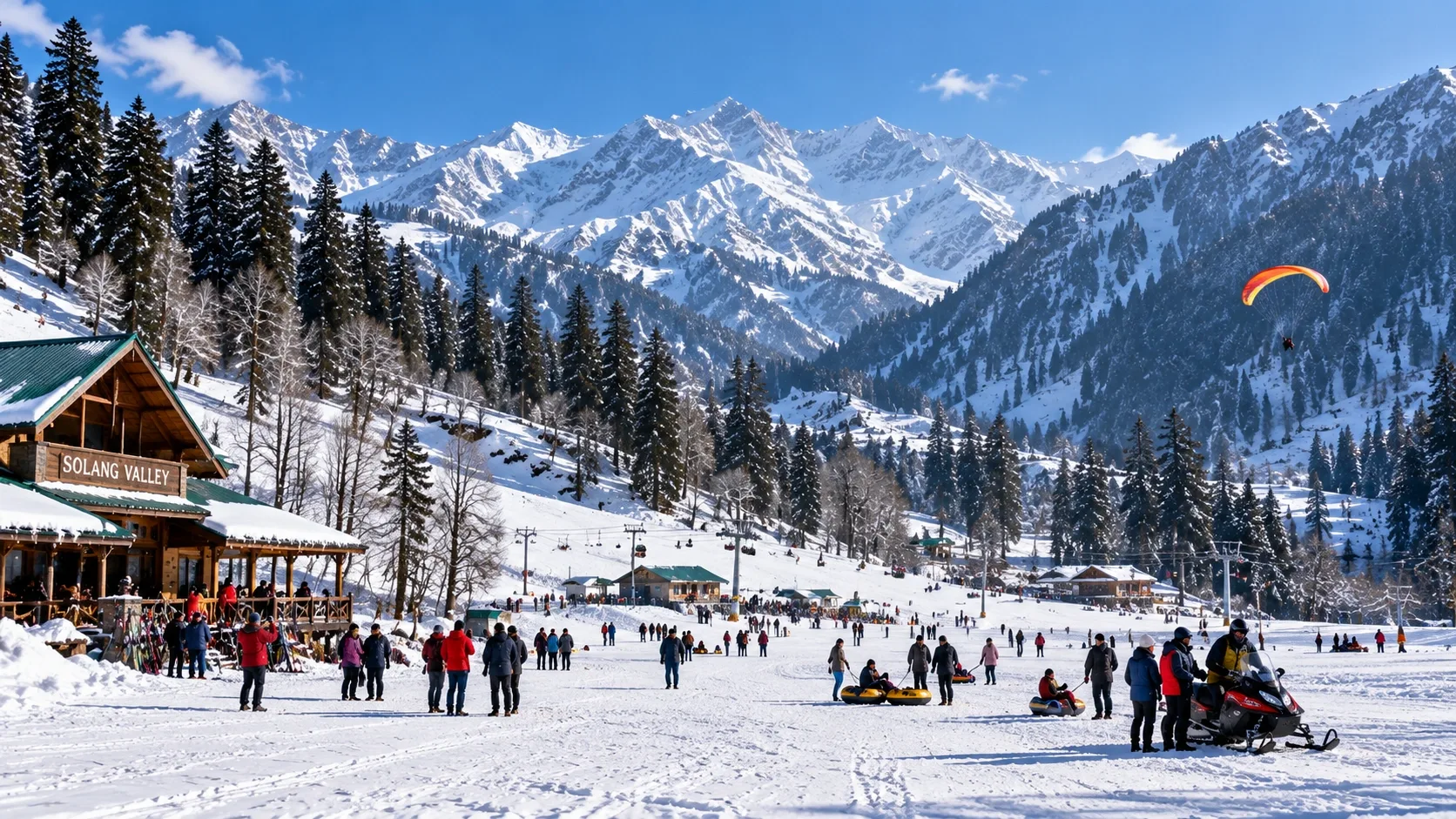


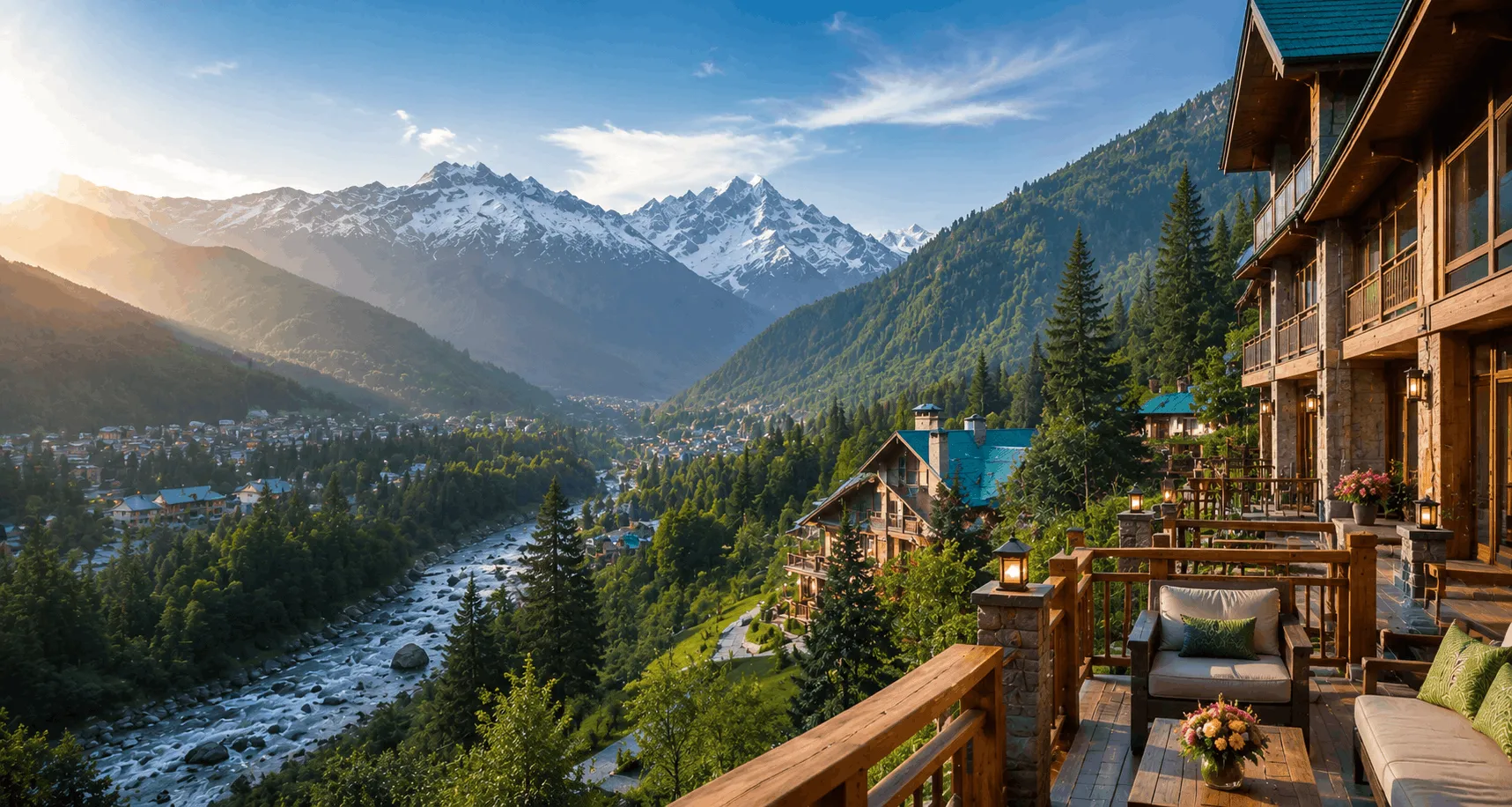
Shimla's winter reputation is built almost entirely on snow, and that reputation slightly oversells how predictable it is. Snowfall in Shimla town typically happens between late December and February, but the exact dates vary meaningfully year to year — some years bring snow by mid-December, others hold off until late January. Planning a trip purely around "seeing snow" without a backup plan is the single most common mistake visitors make.
What's Actually Reliable vs. What Isn't
The cold weather itself is reliable — December through February is consistently cold in Shimla, with daytime temperatures often near or below freezing and nights colder still. What isn't reliable is the exact timing and intensity of snowfall in the town itself. Higher-altitude spots nearby, like Kufri, tend to get and hold snow more consistently and for longer than Shimla town, which sits at a lower elevation and can see snow melt within days of a fall.
What Changes When It Actually Snows
A heavy snowfall can affect road conditions on the routes in and out of Shimla, and occasionally causes temporary closures on the Kalka-Shimla road or higher routes toward Kufri and beyond. This isn't a reason to avoid a winter trip, but it is a reason to build slack into your itinerary — don't plan a tight same-day return after a snow-chasing day trip to Kufri if conditions have been heavy.
What to Actually Do in Shimla in Winter
- Walk the Ridge and Mall Road — genuinely more atmospheric in winter, especially with any snow cover, and less crowded than peak summer tourist season.
- Day-trip to Kufri for more reliable snow and activities like tobogganing when conditions allow — check conditions the morning of rather than assuming.
- Visit Jakhoo Temple, Shimla's highest point, for panoramic views — the walk up is more pleasant in winter's cool air than summer heat, provided paths aren't icy.
- Build in an extra buffer day if your trip depends on snow-related activities, rather than a rigid single-day plan.
How to Plan Realistically
Check recent weather and road-condition updates before you travel, not weeks in advance — conditions genuinely change fast in the hills. If seeing snow specifically is the priority, late January is statistically a reasonably safe bet, but treat it as a good chance, not a guarantee, and build a trip you'd still enjoy even without snowfall — the Ridge, the colonial-era architecture, and the food scene are worth the visit regardless.
Where to Stay
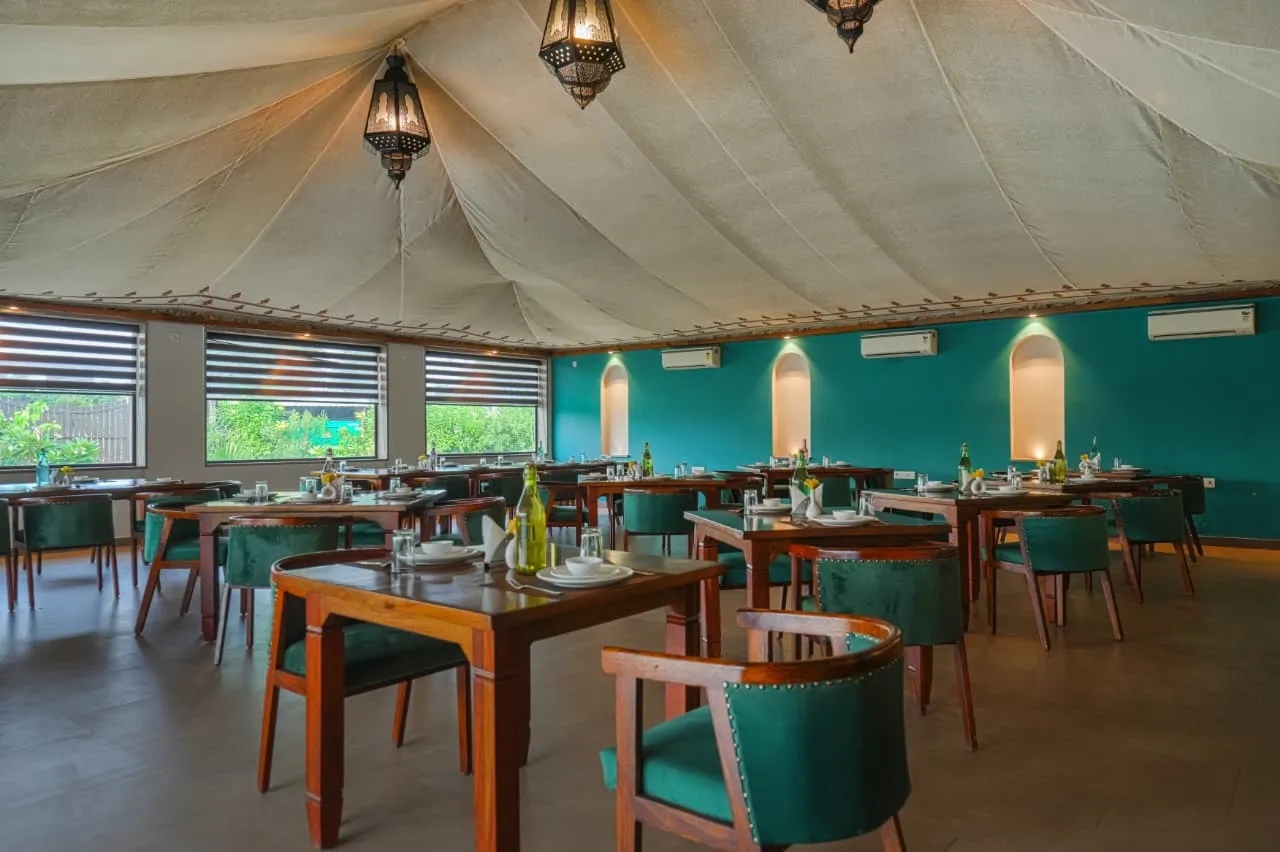
Aangan Premium in Shimla offers a comfortable base for a winter trip, positioned to make both in-town exploring and day trips toward Kufri manageable without excessive travel time eating into short winter daylight hours.
Frequently Asked Questions
When does it usually snow in Shimla?
Typically between late December and February, though exact timing varies year to year. Higher-altitude spots like Kufri tend to see and hold snow more reliably than Shimla town itself.
Is Shimla safe to visit in winter if roads sometimes close due to snow?
Yes, with reasonable planning — check current road and weather conditions before travel days, avoid tight same-day itineraries dependent on mountain roads staying clear, and build in buffer time.
Is it better to stay in Shimla town or near Kufri for snow?
Shimla town offers more amenities and easier logistics as a base; Kufri offers more reliable snow. Many visitors base themselves in Shimla and day-trip to Kufri rather than choosing one over the other entirely.
What month has the best chance of snowfall in Shimla?
Late January is often cited as a reasonably reliable window, but it varies by year — treat any specific month as a good chance rather than a guarantee.