
Pushkar exists, fundamentally, because of two things: a lake believed to have been created when Brahma dropped a lotus flower to earth, and the temple dedicated to him that sits beside it — one of extremely few Brahma temples anywhere in India, despite Brahma being one of the principal deities in Hindu cosmology. Most visitors see both in under an hour and leave without understanding why either actually matters. Here's the fuller picture.
Pushkar Lake: More Than a Photo Backdrop
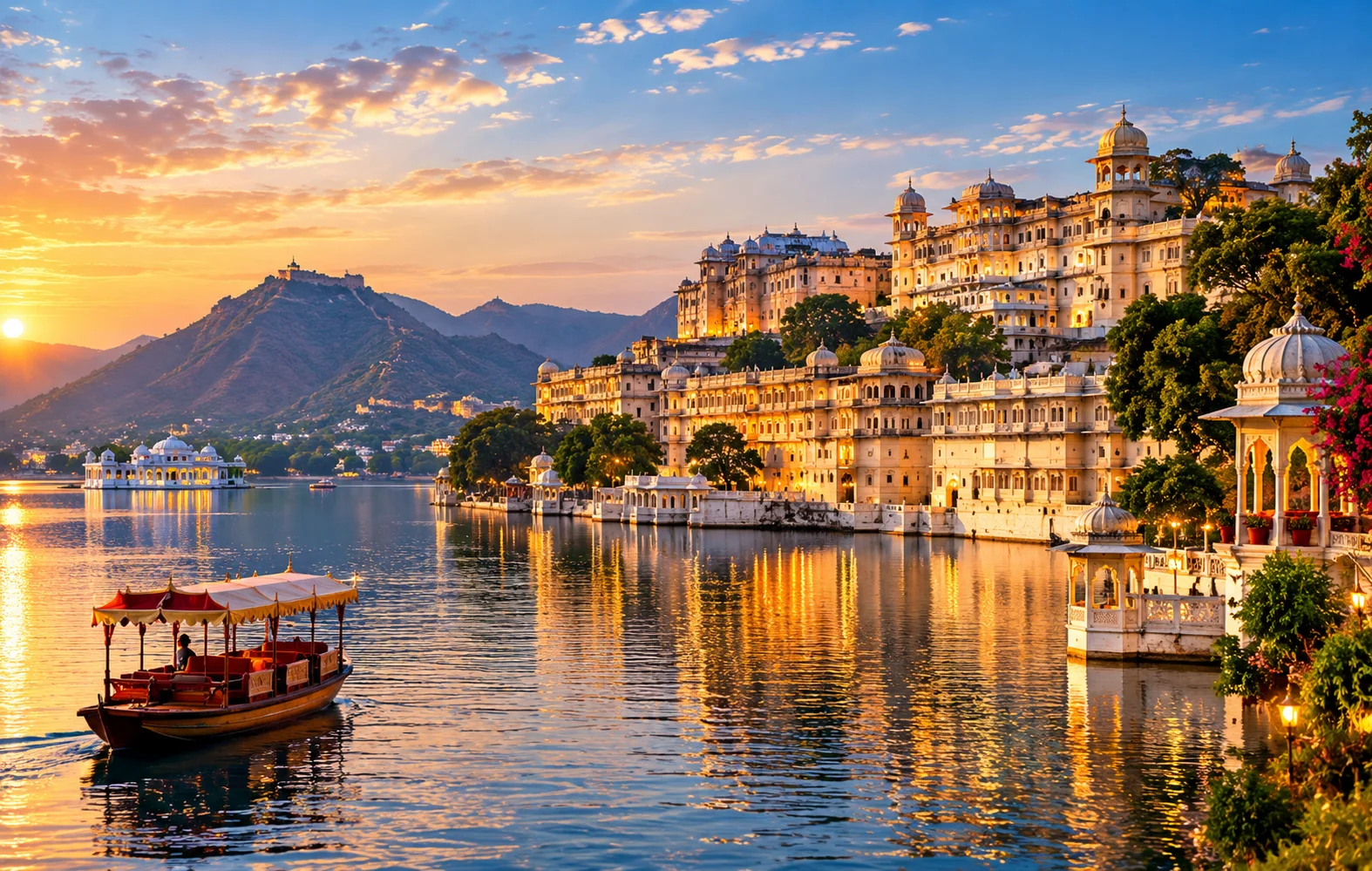
The lake is ringed by 52 ghats (bathing steps), each historically associated with different royal families and communities who built them over centuries. Pilgrims come to take a ritual dip believed to cleanse sins — this is a genuine, ongoing practice, not a historical curiosity, and you'll see it happening at almost any hour. Sunset at the ghats is, deservedly, the most recommended time to visit — the light on the water and the surrounding hills is genuinely striking, and it's when the lake is at its most peaceful after the midday heat.
A practical note: as a sacred site, appropriate etiquette matters — remove footwear before the ghats, dress modestly, and be mindful about photography, especially of people actively bathing or in prayer. Some ghats have priests who may offer a puja ceremony for a donation; this is optional, not mandatory, despite how it's sometimes presented to tourists.
Brahma Temple: Why the Rarity Matters
The temple's marble structure with its distinctive red spire (shikhara) dates back centuries, though the site's association with Brahma is far older, tied to Hindu creation mythology. The scarcity of Brahma temples elsewhere in India — Brahma is one of the trinity of principal deities but rarely worshipped directly at dedicated temples — is precisely what makes Pushkar's temple significant enough to anchor an entire pilgrimage town around it.
Inside, the sanctum houses the primary Brahma idol along with his consort Gayatri. It's a working temple with regular aarti timings, generally in the morning and evening — visiting during an aarti, if your timing allows, gives a genuinely different sense of the place than a quiet midday walkthrough.
How to Actually Sequence a Visit
- Start at the Brahma Temple in the morning or late afternoon, avoiding the peak midday heat, and take the time to actually read the temple's history rather than rushing through.
- Walk the ghats rather than seeing just one. Each has slightly different character and history — a slow walk along a stretch of them tells you more than any single stop.
- Time your lake visit for sunset. It's genuinely the best version of the experience, and it's free.
- Combine with the Sadar Bazaar market, which sits close to the lake and is worth a browse for silver jewelry, textiles and Rajasthani handicrafts.
Where to Base Yourself
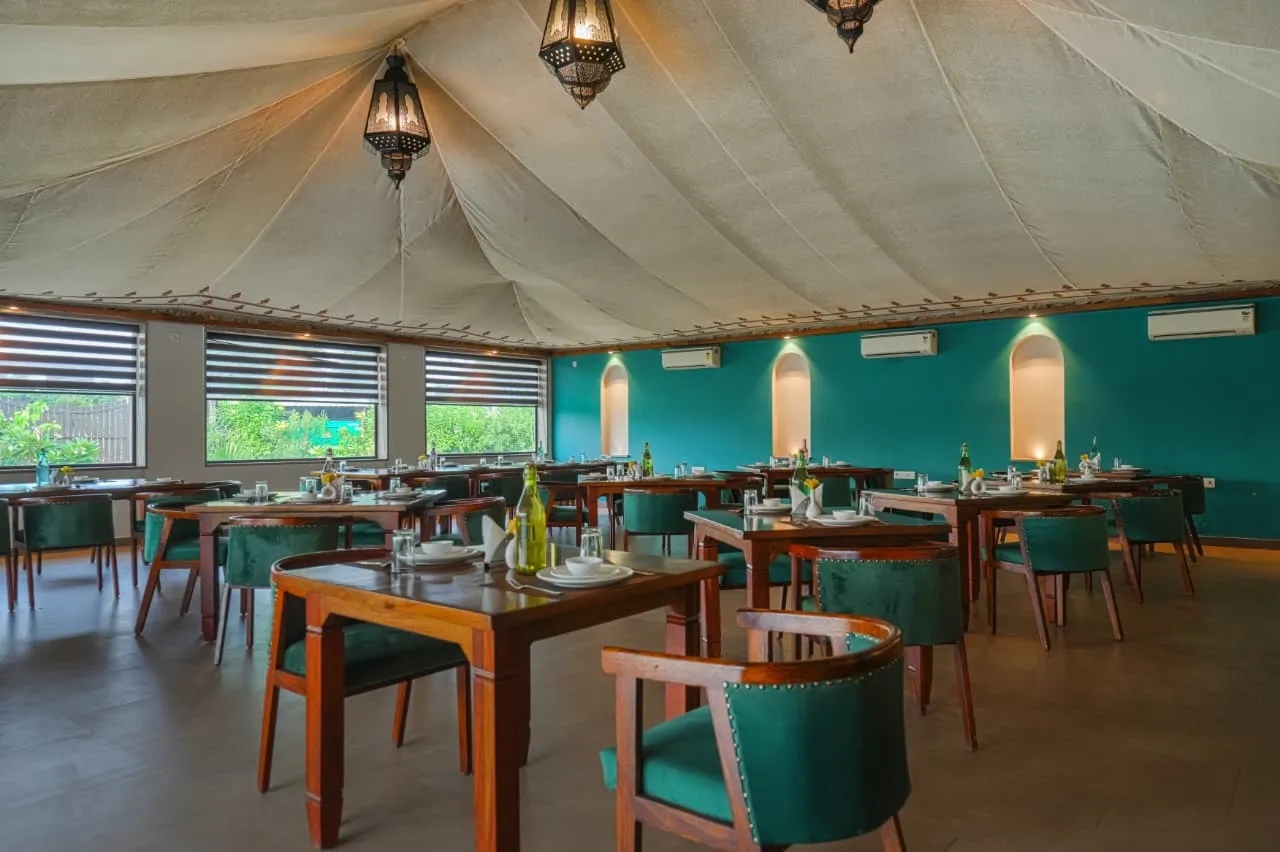
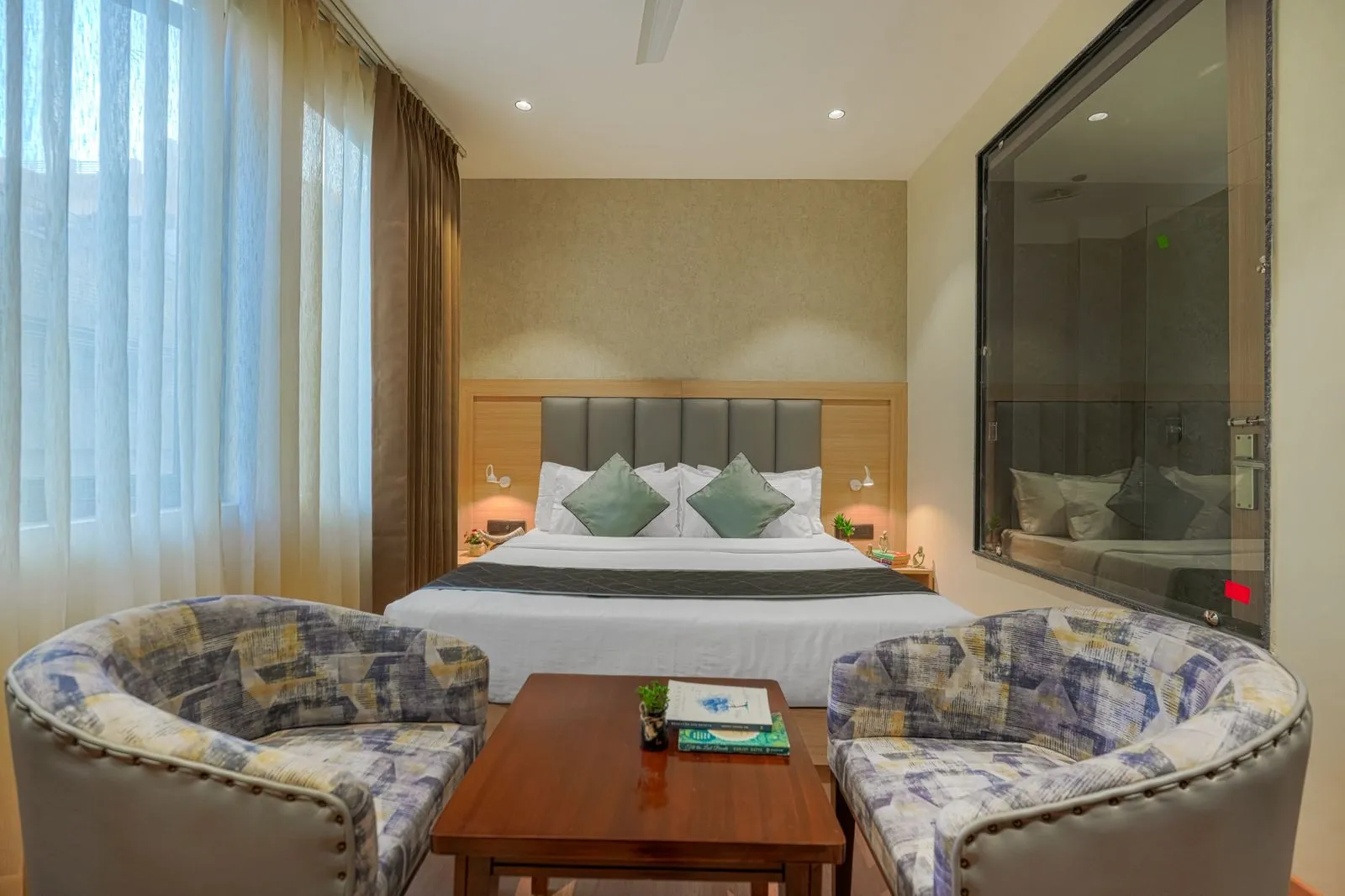
Luxe Stayz Resort in Pushkar puts you within easy reach of both the lake and the Brahma Temple, without being crammed into the busiest lanes directly around the ghats — a genuinely comfortable base for a couple of unhurried days exploring the town properly rather than ticking it off in an afternoon.
Frequently Asked Questions
Why is the Brahma Temple in Pushkar significant?
It's one of very few temples in India dedicated specifically to Brahma, despite his status as one of Hinduism's principal deities — this rarity is central to why Pushkar became such an important pilgrimage destination.
What is the best time to visit Pushkar Lake?
Sunset, when the light on the water is at its most striking and the midday heat has eased. Early morning is a good alternative if you want to see the ritual bathing at its most active.
What should I wear or avoid when visiting the ghats?
Dress modestly, remove footwear before stepping onto the ghats, and be respectful with photography, particularly of people who are actively bathing or praying.
Is a priest-led puja at the ghats mandatory for visitors?
No — it's offered by some priests for a donation but is entirely optional, regardless of how it may be presented.